



DNA/RNA Synthesis
RNA synthesis, which is also called DNA transcription, is a highly selective process. Transcription by RNA polymerase II extends beyond RNA synthesis, towards a more active role in mRNA maturation, surveillance and export to the cytoplasm.
Single-strand breaks are repaired by DNA ligase using the complementary strand of the double helix as a template, with DNA ligase creating the final phosphodiester bond to fully repair the DNA.DNA ligases discriminate against substrates containing RNA strands or mismatched base pairs at positions near the ends of the nickedDNA. Bleomycin (BLM) exerts its genotoxicity by generating free radicals, whichattack C-4′ in the deoxyribose backbone of DNA, leading to opening of the ribose ring and strand breakage; it is an S-independentradiomimetic agent that causes double-strand breaks in DNA.
First strand cDNA is synthesized using random hexamer primers and M-MuLV Reverse Transcriptase (RNase H). Second strand cDNA synthesis is subsequently performed using DNA Polymerase I and RNase H. The remaining overhangs are converted into blunt ends using exonuclease/polymerase activity. After adenylation of the 3′ ends of DNA fragments, NEBNext Adaptor with hairpin loop structure is ligated to prepare the samples for hybridization. Cell cycle and DNA replication are the top two pathways regulated by BET bromodomain inhibition. Cycloheximide blocks the translation of mRNA to protein.
DNA/RNA Synthesis Isoform Specific Products
All Product Categories
-
DNA/RNA Synthesis Inhibitors
(1444)
View all products
-
DNA/RNA Synthesis Agonists
(11)
View all products
-
DNA/RNA Synthesis Antagonists
(2)
View all products
-
DNA/RNA Synthesis Activators
(43)
View all products
-
DNA/RNA Synthesis Modulators
(34)
View all products
-
DNA/RNA Synthesis Chemicals
(20)
View all products
-
DNA/RNA Synthesis Inducers
(15)
View all products
-
DNA/RNA Synthesis Degraders
(4)
View all products
-
DNA/RNA Synthesis Controls
(5)
View all products
-
DNA/RNA Synthesis Substrates
(6)
View all products
-
DNA/RNA Synthesis Ligands
(5)
View all products
-
DNA/RNA Synthesis Related Products (2889)
Related Products (2889)

-
Antibodies (248)
-
DNA/RNA Synthesis Isoform Comparison
-
Braco-19 trihydrochloride
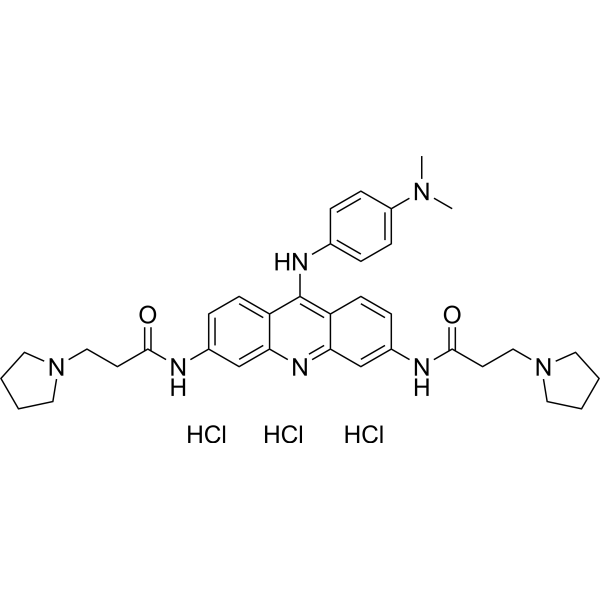 0 ImagesBraco-19 trihydrochloride is a potent telomerase/telomere inhibitor, preventing the capping and catalytic action of telomerase. Braco-19 acts as G-quadruplex (GQ) binding ligand, stabilizing G-quadruplexes formation at the 3V telomeric DNA overhang and produce rapid senescence or selective cell death. Braco-19 is also a HAdV virus replication inhibitor.
-
Dencatistat
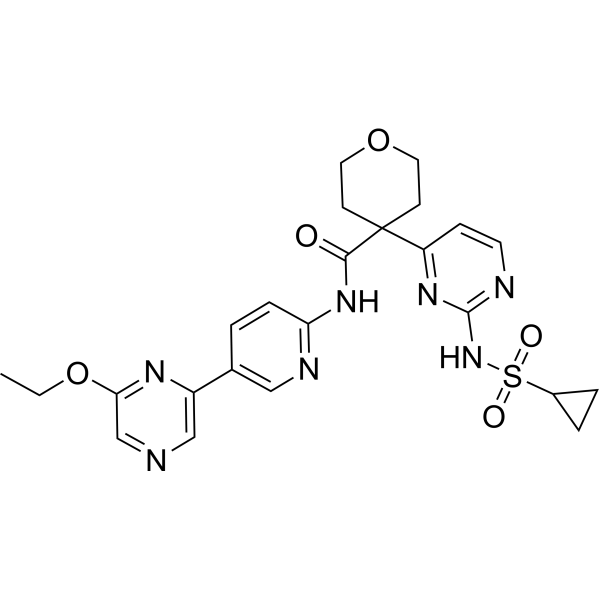 0 ImagesDencatistat is a CTP synthetase 1 (b
) inhibitor. CTPS1 is a key rate-limiting enzyme that catalyzes the conversion of UTP to CTP. Dencatistat can be used for research on lymphoma.
-
Z-FF-FMK
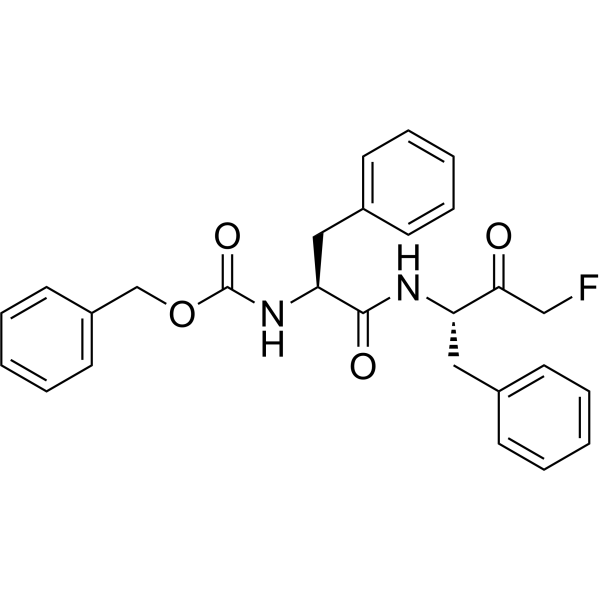 0 ImagesCat. No.: HY-141867CAS No.: 105608-85-3Synonyms: Z-Phe-Phe-FMKZ-FF-FMK (Z-Phe-Phe-FMK) is a cell-permeable, irreversible, and cysteine protease inhibitor targeting cathepsin-L. Z-FF-FMK inhibits angiotensin II-induced MEK activation in vascular walls, aortic medial remodeling, blood pressure elevation, and upregulation of cystatin C in aortic walls. Z-FF-FMK prevents β-amyloid-mediated caspase-3 activation, poly (ADP-ribose) polymerase cleavage, DNA fragmentation, and apoptosis of cortical neurons (apoptosis). Z-FF-FMK can be used in research related to hypertension and Alzheimer's disease.
-
Oxolinic acid
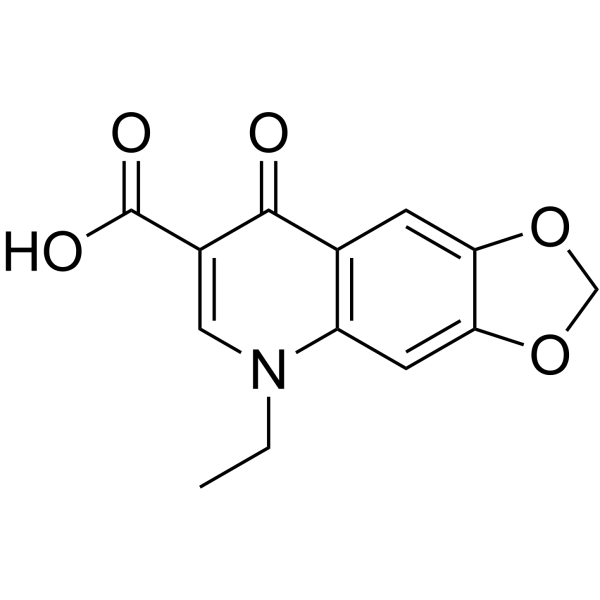 0 ImagesOxolinic acid is an antibiotic against both Gram-negative and Gram-positive bacteria. Oxolinic acid can be used for the research of acute and chronic urinary tract infections. Oxolinic acid is a DNA/RNA synthesis inhibitor. Oxolinic acid acts a dopamine uptake inhibitor and stimulants locomotor effect in mice.
-
Prunasin
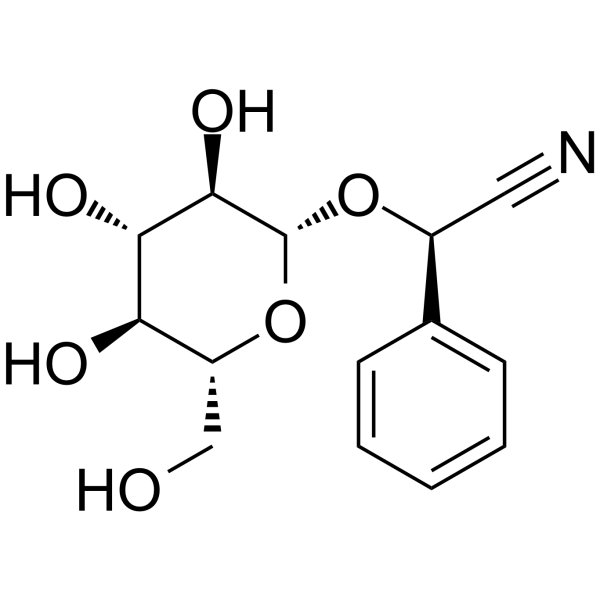 0 ImagesPrunasin is an orally active cyanogenic glucoside and the main metabolite of Amygdalin (HY-N0190). Prunasin can specifically inhibit rat DNA polymerase β (IC50: 98 μM). Prunasin has anti-inflammatory and anti-fibrotic activities. Prunasin can be used in the research of diseases such as liver fibrosis.
-
RG7800
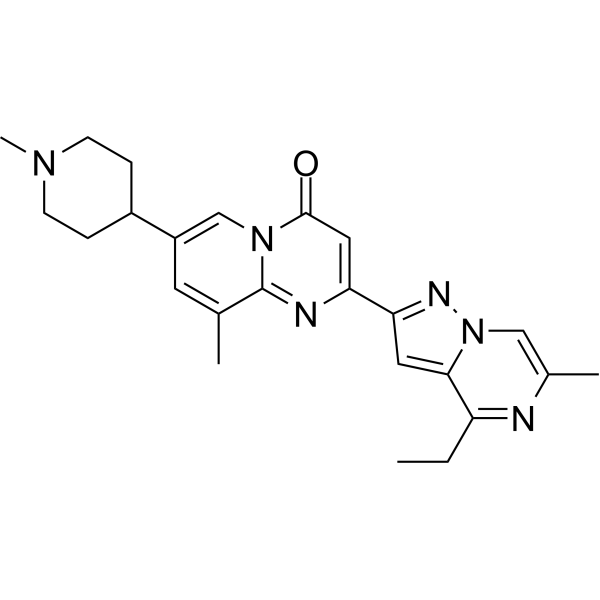 0 ImagesSynonyms: RO6885247RG7800 is a SMN2 splicing modifier. RG7800 has the potential for spinal muscular atrophy treatment.
-
FUBP1-IN-1
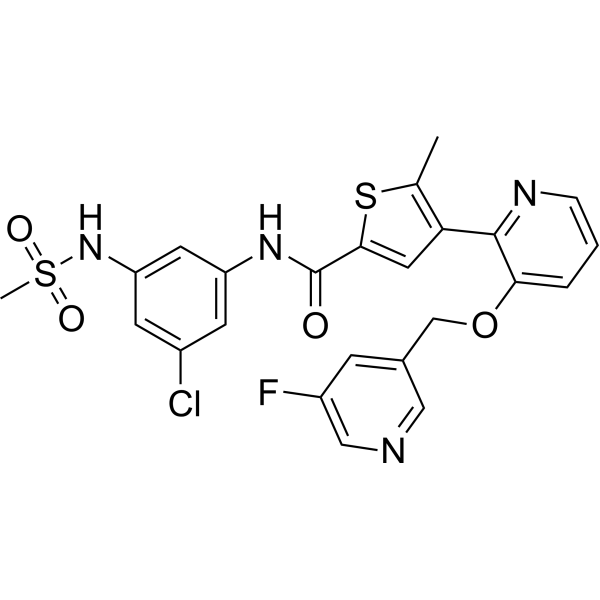
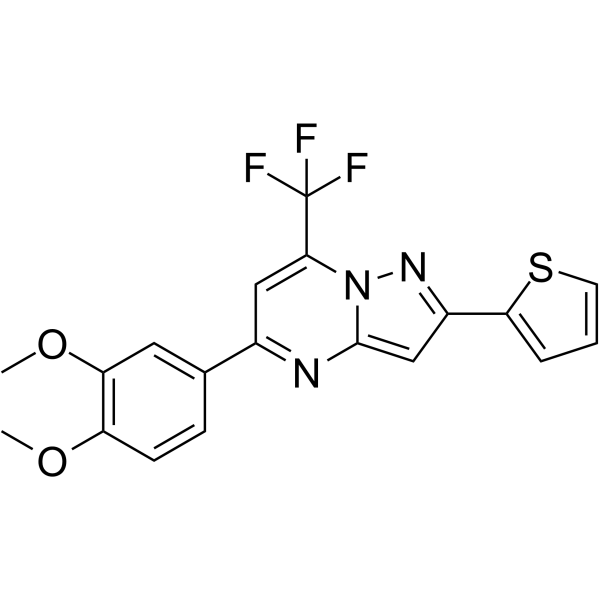 0 ImagesFUBP1-IN-1 is a potent FUSE binding protein 1 (FUBP1) inhibitor which interferes with the binding of FUBP1 to its single stranded target DNA FUSE sequence , with an IC50 value of 11.0 μM.
-
TH5427
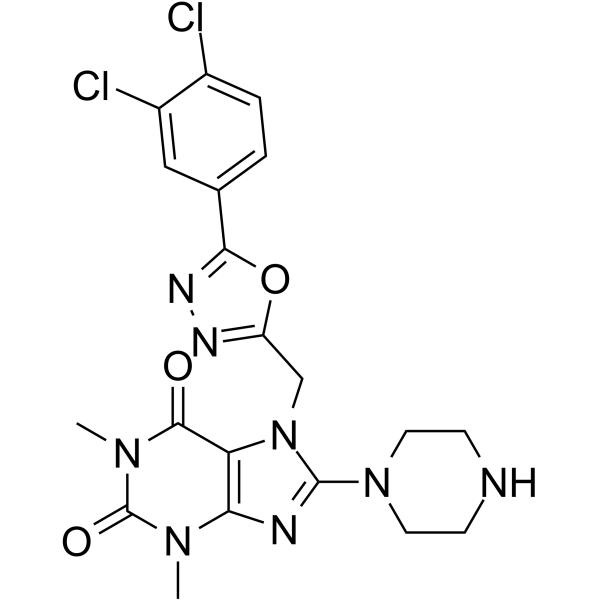 0 ImagesTH5427 is a promising, targeted inhibitor that can be used to further study NUDT5 activity and ADP-ribose metabolism. TH5427, blocks progestin-dependent, PAR-derived nuclear ATP synthesis and subsequent chromatin remodeling, gene regulation and proliferation in breast cancer cells. NUDT5 is recently identified as a rheostat of hormone-dependent gene regulation and proliferation in breast cancer cells.
-
Ribonucleic acid (yeast)
 0 ImagesCat. No.: HY-W250124CAS No.: 63231-63-0Synonyms: RNA (yeast)Ribonucleic acid (RNA) (yeast) is a ribonucleic acid isolated from yeast, characterized as a polynucleotide containing primary and secondary phosphate groups, amino groups, and purine-pyrimidine hydroxyl groups per 4 corrected phosphorus atoms. Ribonucleic acid (yeast) is widely used in scientific research as a substrate for nuclease detection, a carrier in ethanol precipitation processes, and a standard control for molecular biology techniques.
-
Deoxycytidine triphosphate trisodium solution (100 mM)
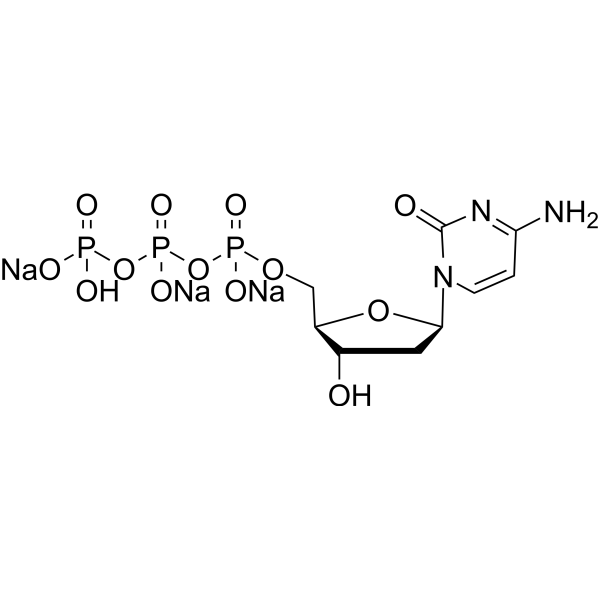 0 ImagesSynonyms: dCTP trisodium solution (100 mM); 2′-Deoxycytidine-5′-triphosphate trisodium solution (100 mM)Deoxycytidine triphosphate trisodium (dCTP trisodium) solution (100 mM) is a nucleoside triphosphate that can be used for DNA synthesis. Deoxycytidine triphosphate trisodium salt has many applications, such as real-time PCR, cDNA synthesis, and DNA sequencing.
-
DL-alpha-Tocopherol (Standard)
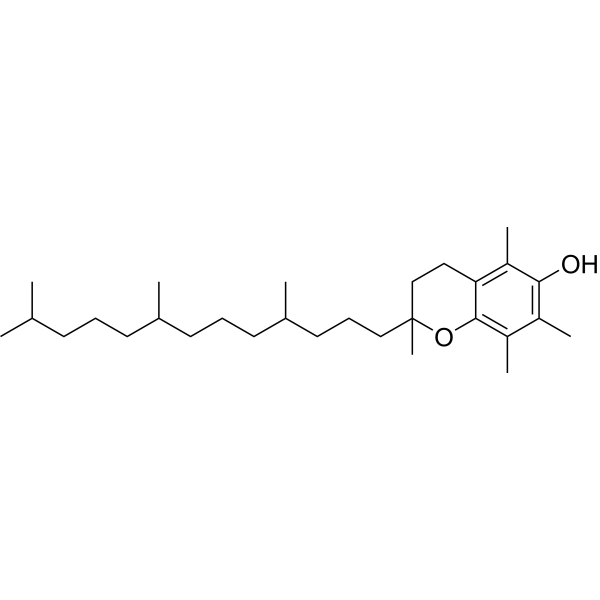 0 ImagesSynonyms: DL-α-Tocopherol (Standard)DL-alpha-Tocopherol (Standard) is the analytical standard of DL-alpha-Tocopherol. This product is intended for research and analytical applications. DL-alpha-Tocopherol is a synthetic vitamin E, with antioxidation effect. DL-alpha-Tocopherol protects human skin fibroblasts against the cytotoxic effect of UVB.
-
Ethynylcytidine
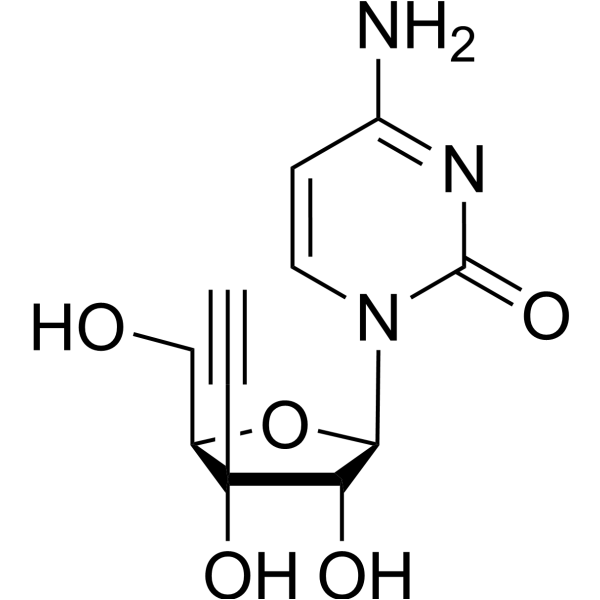 0 ImagesSynonyms: ECyD; TAS-106; 3'-C-EthynylcytidineEthynylcytidine (ECyD), a nucleoside analog and a potent inhibitor of RNA synthesis, inhibits RNA polymerases I, II and II. Ethynylcytidine has robust antitumor activity in a wide range of models of cancer. Ethynylcytidine is a click chemistry reagent, it contains an Alkyne group and can undergo copper-catalyzed azide-alkyne cycloaddition (CuAAc) with molecules containing Azide groups.
-
VPC-18005
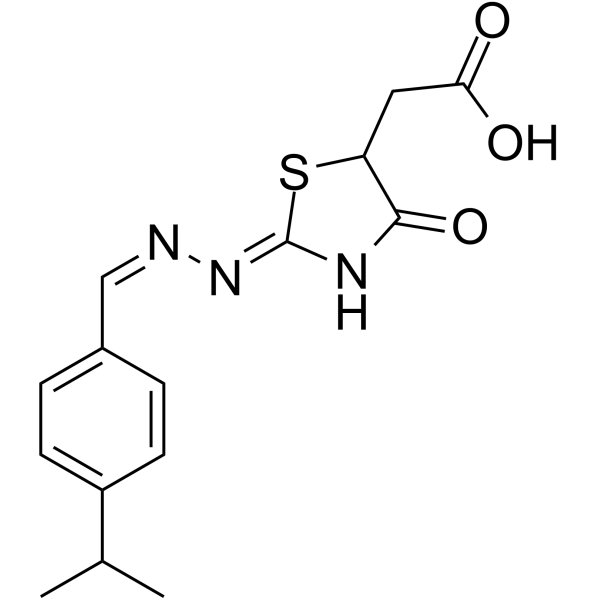 0 ImagesVPC-18005 inhibits ERG-induced transcription and interacts directly with the ERG-ETS domain, and disrupts the ERG binding to DNA. VPC-18005 is a potent inhibitor of luciferase activity.
-
Beclabuvir
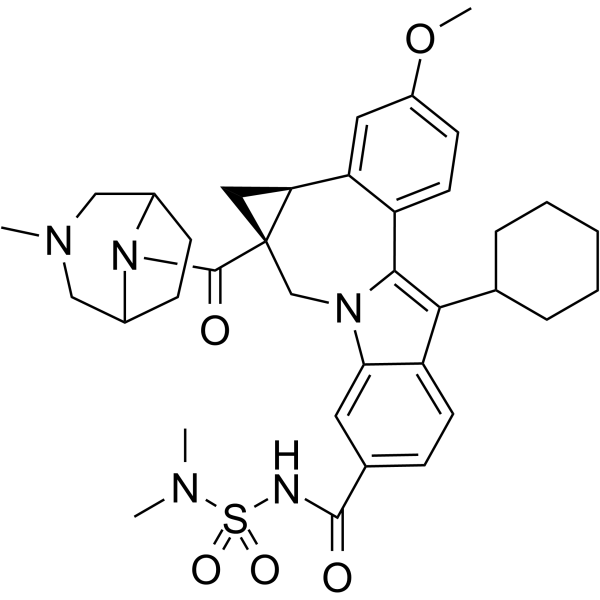 0 ImagesSynonyms: BMS-791325
-
Cytarabine (Standard)
 0 ImagesSynonyms: Cytosine β-D-arabinofuranoside (Standard); Cytosine Arabinoside (Standard); Ara-C (Standard)Cytarabine (Standard) is the analytical standard of Cytarabine. This product is intended for research and analytical applications. Cytarabine, a nucleoside analog, causes S phase cell cycle arrest and inhibits DNA polymerase. Cytarabine inhibits DNA synthesis with an IC50 of 16 nM. Cytarabine has antiviral effects against HSV. Cytarabine shows anti-orthopoxvirus activity.
-
Peroxynitrite sodium
 0 ImagesCat. No.: HY-155386CAS No.: 14042-01-4Peroxynitrite sodium is a product of the diffusion-controlled reaction between nitric oxide and superoxide radicals, as well as an oxidant and an antiviral agent. Peroxynitrite sodium inhibits Mitochondrial respiration. Peroxynitrite sodium suppresses the replication of Coxsackievirus, partly by inhibiting viral RNA entry into host cells. Peroxynitrite sodium induces a significant nociceptive response.
-
Dihydrocytochalasin B
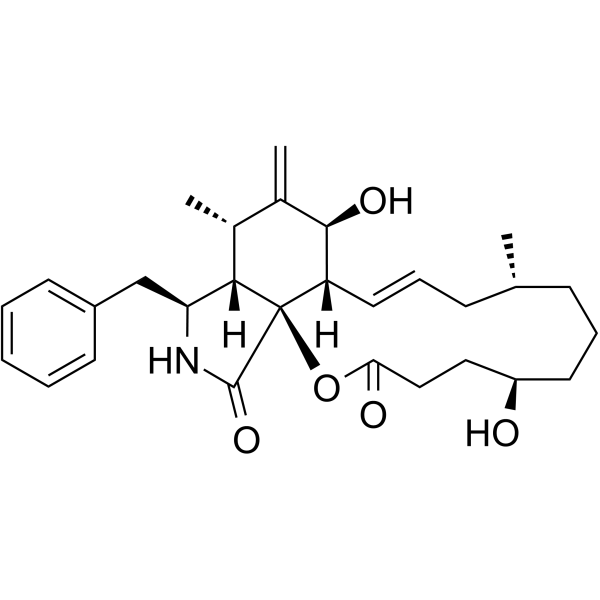 0 ImagesDihydrocytochalasin B is an Actin disruptor. Dihydrocytochalasin B disrupts actin microfilament bundles, inhibits actin polymerization, and alters intracellular actin cytoskeletal structures. Dihydrocytochalasin B blocks the initiation of DNA synthesis. Dihydrocytochalasin B inhibits Calcium transport. Dihydrocytochalasin B inhibits cytokinesis and alters cell morphology. Dihydrocytochalasin B can be used in studies related to rickets.




